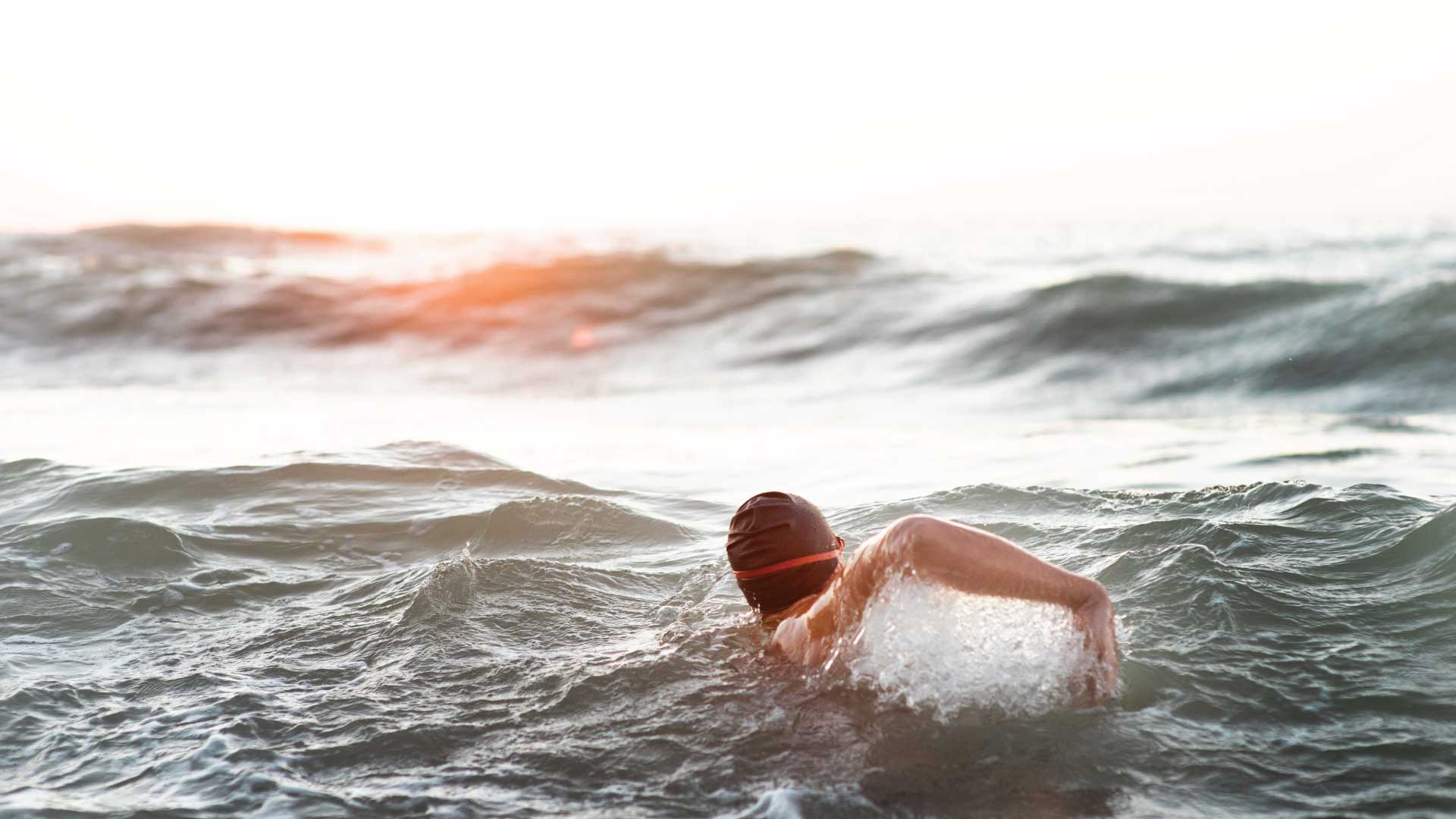
Swimming in cold water, whether in unheated pools or natural lakes, is an experience many people enjoy due to its invigorating effect and potential benefits. However, cold water also presents significant risks to the body if proper precautions are not taken. In this article, we will explore the effects of cold water on the body, its benefits, possible risks, and the best practices for staying safe while enjoying a refreshing dip.
When the body comes into contact with cold water, it experiences a series of physiological changes. Below are the most common effects:
Vasoconstriction
Cold water causes the blood vessels in the skin to constrict, reducing blood flow to the extremities. This defense mechanism helps preserve core body temperature but can quickly cause the hands and feet to become cold, reducing functionality and sensitivity.
Increased Heart Rate and Blood Pressure
The thermal shock that occurs when the body comes into contact with cold water can cause a rapid increase in heart rate and blood pressure. This is a natural response designed to maintain circulation to vital organs, but it can be dangerous for people with pre-existing heart conditions.
Hyperventilation
Immersion in cold water can trigger a hyperventilation response, meaning rapid, involuntary breathing. This can lead to a decrease in carbon dioxide levels in the blood, causing dizziness or disorientation, increasing the risk of drowning.
Hypothermia
Hypothermia is one of the biggest risks associated with prolonged exposure to cold water. It occurs when the body temperature drops below normal (35°C/95°F), leading to confusion, loss of coordination, drowsiness, and, in extreme cases, death. In cold water, the body can lose heat up to 25 times faster than in air.
Increased Metabolism
A brief immersion in cold water can increase the body’s metabolism, as more energy is required to maintain core body temperature. This can have an energizing effect and contribute to improved mood and overall well-being. For this reason, many people practice cold water baths as part of a health regimen.
Although cold water can be dangerous without proper precautions, there are also several benefits associated with controlled exposure:
Improved Circulation
Short immersions in cold water can help improve circulation by stimulating blood flow to vital organs. Over time, this can strengthen the cardiovascular system.
Increased Stress Resistance
Regular exposure to cold water can help the body increase its tolerance to physical and mental stress. By forcing the body to quickly adapt to temperature changes, overall resilience to external pressures is developed.
Muscle Recovery
After intense exercise, many athletes use cold water baths to help reduce inflammation and speed up muscle recovery. Cold water can decrease blood flow to muscles, reducing swelling and soreness.
Mood Enhancement
Exposure to cold water is also associated with increased release of endorphins, which can improve mood and reduce anxiety levels.
Since cold water can have both beneficial and dangerous effects, it is essential to take proper safety measures when swimming in cold pools or lakes. Here are some key guidelines to stay safe:
Gradually Acclimate to Cold Water
If you are not used to swimming in cold water, it is important not to jump in all at once. Instead, enter the water slowly to allow your body to adjust to the temperature. This can help reduce the risk of thermal shock and hyperventilation.
Limit Time in the Water
Do not stay in cold water for extended periods. Hypothermia can develop quickly, so it’s crucial to get out of the water and warm up as soon as you feel you are losing control of your movements or if you begin to shiver uncontrollably.
Wear Neoprene or Other Insulating Clothing
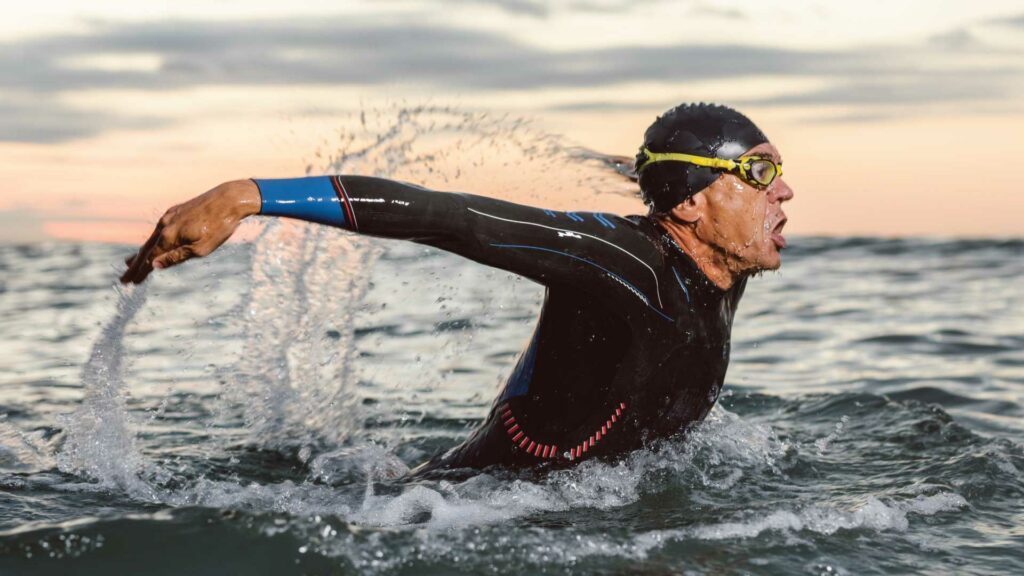
If you are going to swim in very cold water or in conditions where the air temperature is also low, consider wearing a wetsuit or other thermal clothing designed to retain body heat.
Swim with Others
It is always safer to swim with others, especially in open waters. If an emergency occurs, having someone nearby who can assist or seek help is critical.
Know Your Limits
It is essential to listen to your body and be aware of your limits. If you feel dizzy, numb, or extremely fatigued, get out of the water immediately and find a warm place to recover.
Stay Hydrated and Eat Properly
Staying well-hydrated and ensuring you have eaten properly before swimming can help your body regulate its temperature more effectively.
Cold water can have profound effects on the human body, both beneficial and dangerous. With proper preparation and by taking necessary safety measures, you can enjoy the benefits of swimming in cold water while minimizing risks. Whether in a pool or a natural lake, the key is to be mindful of how your body responds to the cold and to act prudently to ensure a safe and enjoyable experience.